Start by deciding what stage you are at…
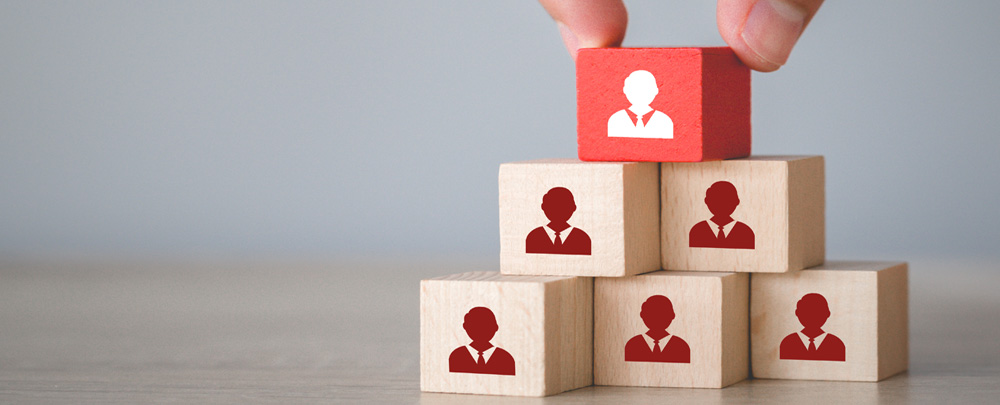
Every company has a defined behaviour based on a stage of development that impacts on a number of outcomes the company wants to achieve. The higher the stage, the higher the effectiveness of the business. This reading examines those stages.
Over the course of working with thousands of leaders and hundreds of companies we have identified four stages of company behavior. This behavior is connected to the stage of leadership of the individual leaders including active owners and the collective stage of the leadership team. These behaviours then translate through the company itself by way of the actions and decisions of the team, internally within the company by way of values, culture and performance and externally to customers, vendors, banks, and the community at large. It is interesting to observe the business may still be economically successful even if it is a stage 1 or 2 but may not be able to strategically adapt as well to changing conditions, like competition, government regulation and changing market forces.
Behaviours of a Stage 1 Company
Stage One companies are highly driven by the energy, vision, and will of the owner. There is no real team under him or her and so the company grows to the capacity of the owner to lead the company. The day to day functioning is limited to the behaviours of the group of managers as dictated by the owner or senior leader and is typically limited to just getting through the day. There may be higher number of crises, mistakes, as well as poorly trained staff, ineffective decision making at a manager level, little to no sharing of information, managers acquiesce to the needs and will of the owner, (learned helplessness) which can mean there is no focused direction.
The work environment tends to have more tension and stress is prevalent. Emotions can be used to problem solve, make decisions and motivate staff. These emotions, typically negative can divert energy away from productivity towards protection. Fear is used to motivate and get things done. The challenge is that eventually managers and staff stop listening to the emotional outbursts or will change for a short period of time but eventually revert back to old behaviours and thinking. A feedback loop is created so that the owner or leader is forced to become even more forceful to get the results required. The reversion back by the staff to old behaviours slows down implementations of new initiatives necessary for adapting to changing conditions, new technology, regulations and so on. There will probably be employee satisfaction, retention issues which have an impact on profitability. Ultimately though how successfully the business is will depend on the respect and the compelling vision of the leader. It may be that the business is financially successful, but because it is slow to adapt, may have difficulty with changing market forces, competition, government regulation changes and so on, ultimately causing a slow death of the business. HR is seen as an impediment and rules based rather than a strategic partner.
Behaviours of a Stage 2 Company
The stage 2 business is one that can function reasonably well on a day to day. There are less crises, so the team though still focused on the day to day because more mistakes are made, has a basic sense of what the end result is. The owner or leader of the business has a functioning management group that can handle some responsibility for some functions, but still looks to the leader for direction and support. A stage two company has can be financially successful but is not strategic in how it handles issues or external changes. The systems and processes within the business are basic and probably dated, policy and procedures unsophisticated and not followed. Problems are probably solved in different ways each time. Training though provided would be on task and function not development and growth. Employee satisfaction though higher than would be found at stage 1 is still lower than can be. Attracting and retaining employees especially in low pay high turnover work environments is difficult causing lower productivity and unnecessary costs to the company in labour and recruitment. The leader has difficulty implementing changes and growth strategies and so is once again slow to adapt. The managers begin to have ideas for improvement and want to play a role but depending on the relationship with the senior leader or owner, may or may not be able to. Information and financial data does not flow easily to the management team. The owner may share with only one or two favourites. From a leadership or ownership perspective he or she may be tired and worn out trying to get buy-in, and support. The issue is one of using the capacity of the team consequently the capacity of the whole company is limited. HR is still viewed as functional culture is based on the owners beliefs, and desires.
Behaviours of a Stage 3 Company
A stage 3 company is a fully functioning company. The management team is competent and taking on responsibility for the successful day to day functioning of the business or division. Mistakes have dropped off, repeatable systems and processes are in place and used. Training of staff is presented, and focus is on task, skill and knowledge but there is a recognition for the importance of development and growth of people. Setting goals and achieving them is important and the goals and objectives are known by the team. Performance of the business and the staff is measured so the company knows how successful it is. What is missing is a focus on the future because it is still attending to the day to day. The management team can work well together and can develop those under them. The leaders’ role is to support and provide input to the team as the need to direct and command is no longer needed. The business may be reactive to change, with some emotional decision making, but for the most part, uses strategic thinking to deal with issues. Customer satisfaction rises, employee satisfaction increases. and employee retention improves so productivity improves, and costs can drop. The team has ideas for growth and productivity improvements and can present to the owner or senior leader in a coherent and strategic way to get input and confirmation. Adaptation and improvements can happen quicker than in the other two stages so growth can happen more easily. Employees can see the success and feel proud working for the business. Succession and growth is discussed and easily seen by all. The business follows policies and procedures which are available. Budgets made and followed and measured. HR begins to take on a more strategic role and is now a functional team on its own, having separated from the Controller function. The company measures performance, financial markers, and goal achievement of which everyone knows. It is a well-run company
Behaviours of a Stage 4 Company
This company is a high performer. Its focus is on growth and development of its people and teams. The management team is high functioning, so trust is high between ownership and them. Coaching and training and mentoring is highly prized, and the managers see it as one of their primary goals. Leading through developing others is important. There is a focus on a high level of customer satisfaction, employee satisfaction and succession. Training would be on employee excellence, thinking, improving behaviours and well-being. The company is flexible and responsive to changes in market, regulation and competition. Is seen in the community as a good place to work and is respected. It has a future focus perspective and able to adapt to changes in conditions more easily than the other stages. The resources of the company are used well and continuously improved. Vision drives success, values are expressed and everyone believes in the outcomes wanted. Stage four companies have strong cultures and values and recruit for fit to that culture and values rather than just performance.